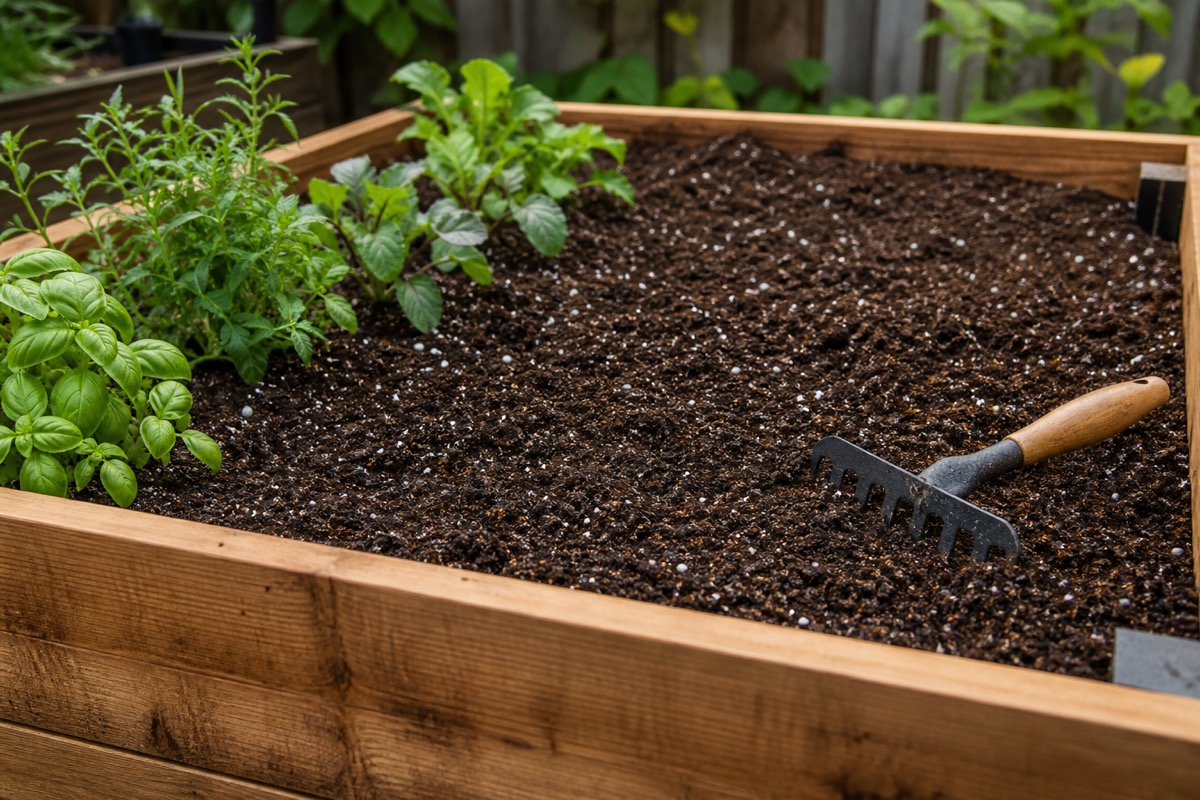
Raised bed soil mix
Best for: most raised beds, beginners, ready-to-plant projects
A convenient pre-blended option made for raised beds. Good when you want a simple, ready-to-use soil choice without mixing several ingredients.
Calculators / Raised Bed Soil Calculator
How this calculator works
Estimate soil for one raised garden bed or a full garden layout. Enter each bed size, choose a settling buffer, and compare bagged raised bed mix with bulk soil.
Fast estimate
Use actual soil depth, not necessarily total board height.
Dimension guide
Adds extra soil for settling, uneven filling, and spillage.
Use this when logs, branches, compost, or other lower fill replaces part of the soil volume.
Delivery can apply to both bagged and bulk orders. Enter local prices to compare total cost.
Match the soil source to the number of beds, planting depth, and how much handling you want to do.
Best for: most raised beds, beginners, ready-to-plant projects
A convenient pre-blended option made for raised beds. Good when you want a simple, ready-to-use soil choice without mixing several ingredients.
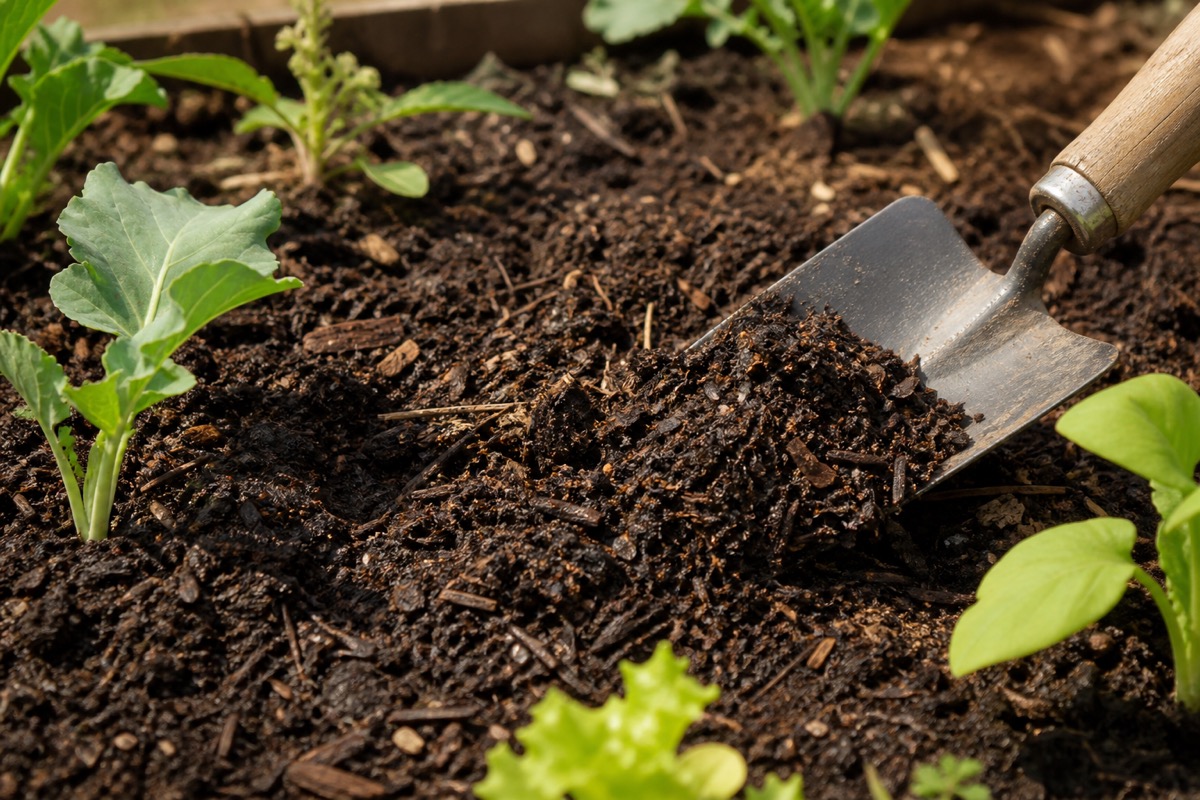
Best for: vegetables, flowers, and refreshing older beds
Adds organic matter and nutrients. Usually mixed with soil rather than used alone for the full bed depth.
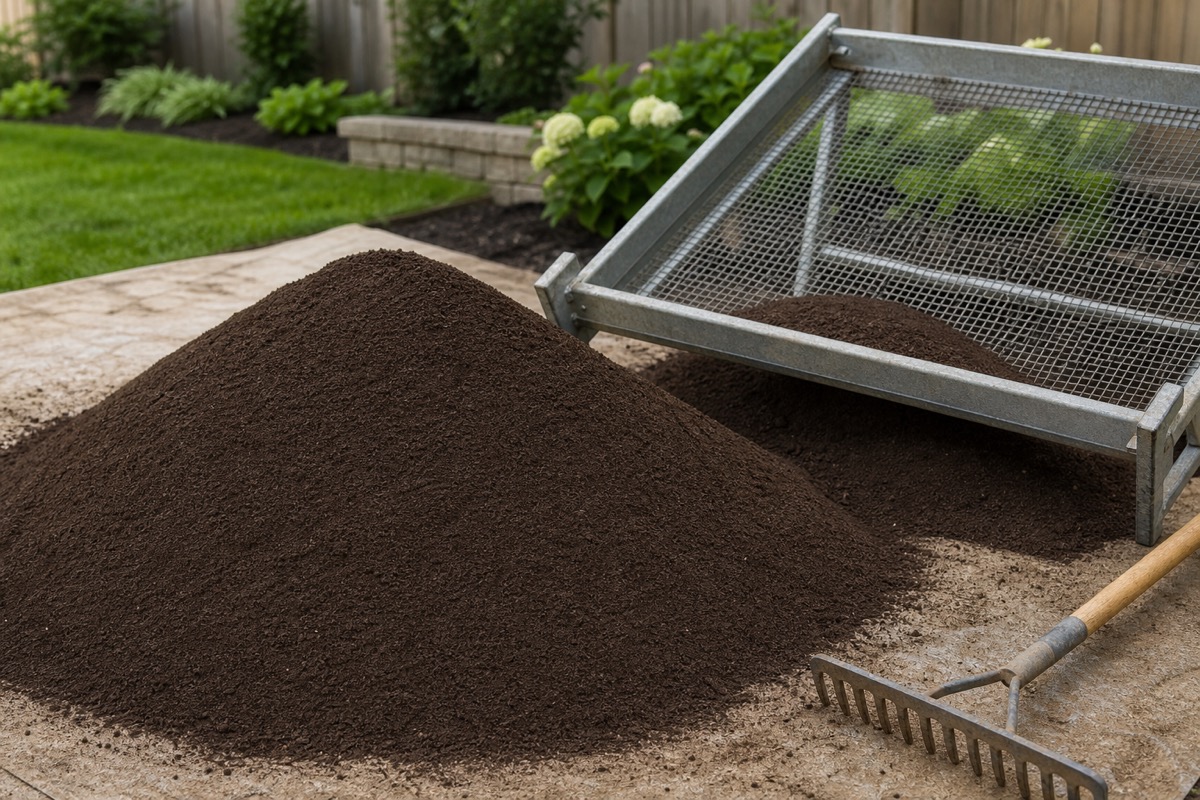
Best for: larger beds and budget-friendly filling
Useful when total volume gets large. Often combined with compost or amendments to improve structure and fertility.
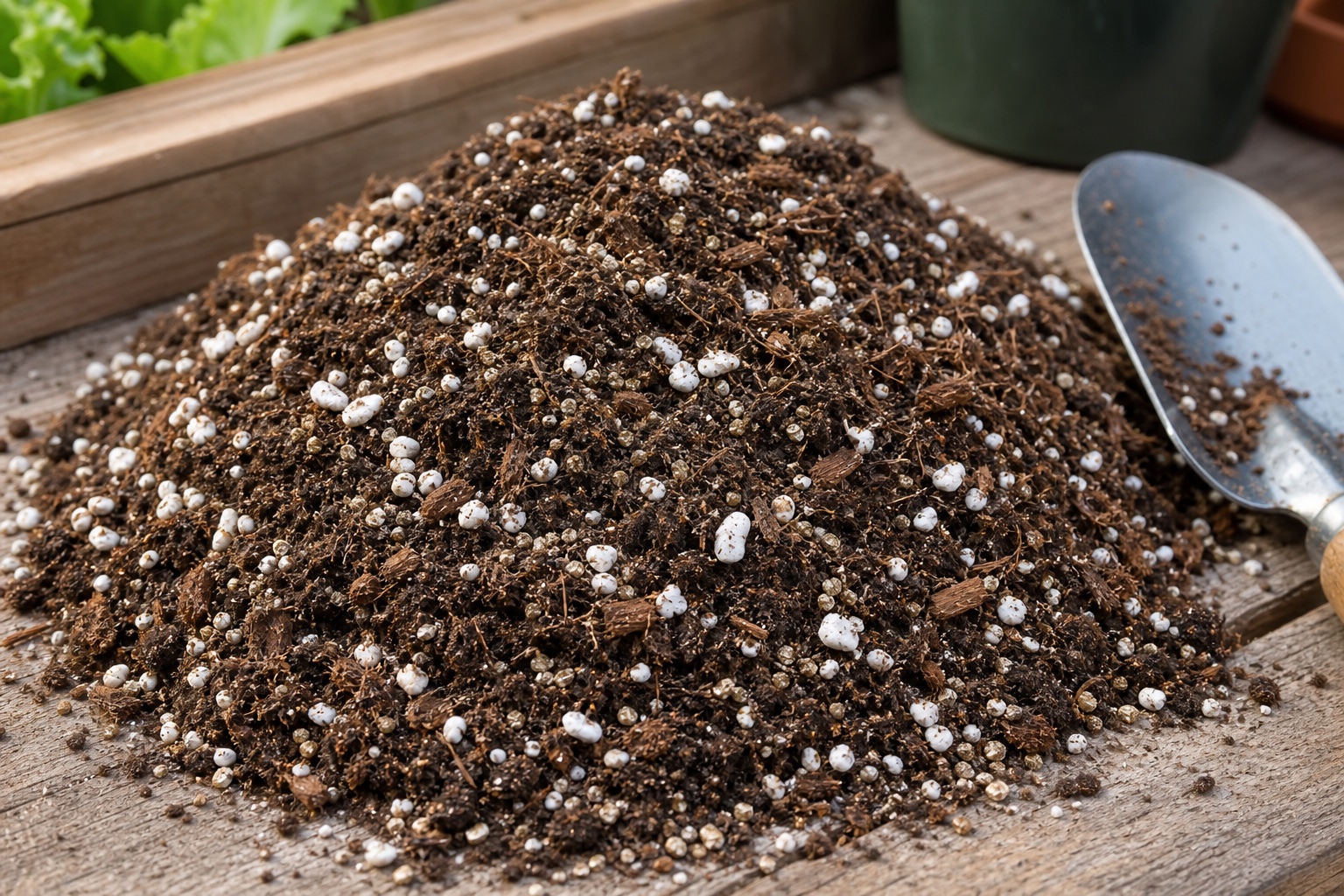
Best for: improving drainage, moisture, and soil texture
Products like coco coir, perlite, and vermiculite can help adjust the mix depending on whether the bed needs better aeration or moisture retention.
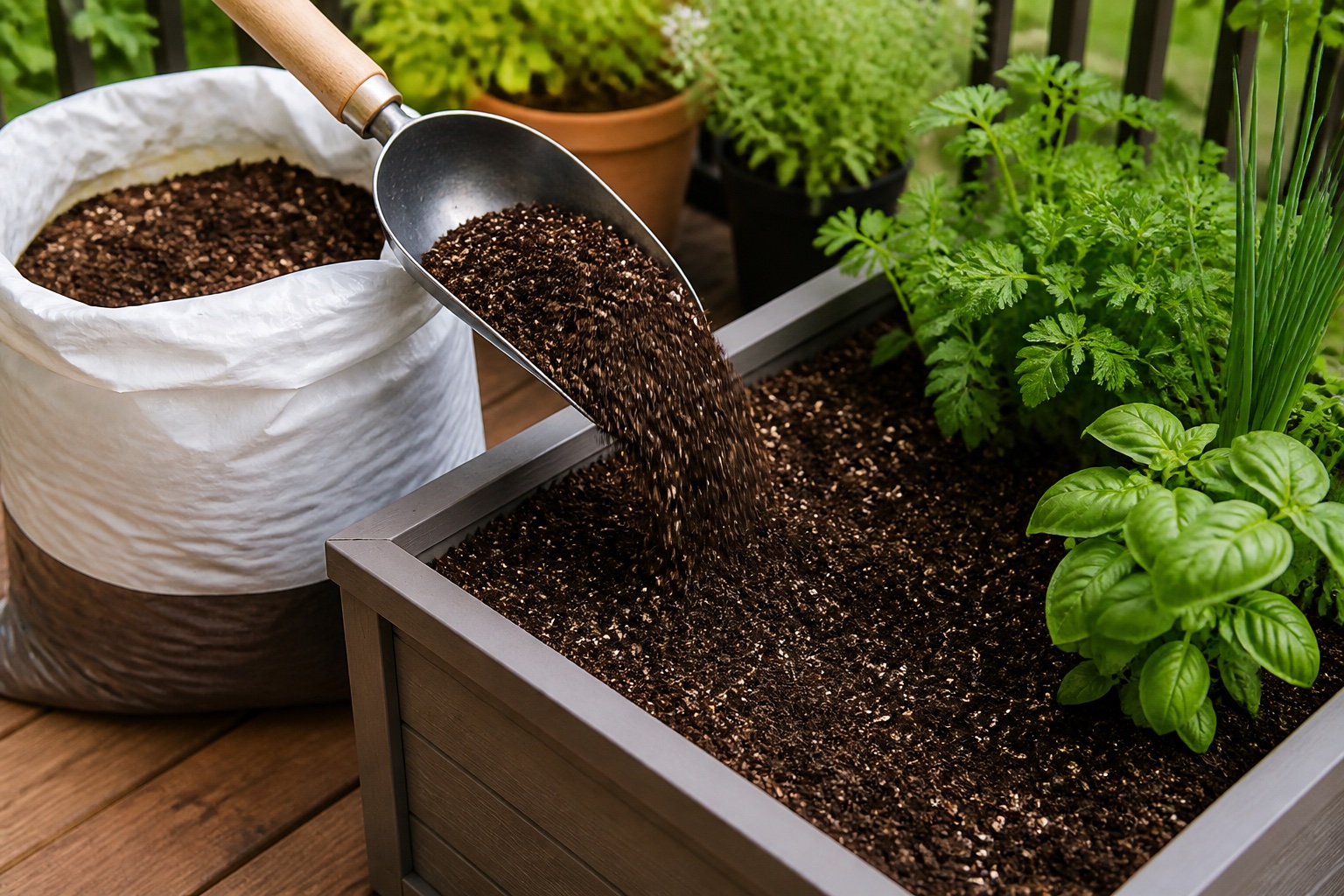
Best for: small raised beds, elevated planters, herbs, and patio boxes
Easy to buy and good for smaller projects, but usually more expensive for filling large raised beds.
In tall raised beds, logs, branches, leaves, or other organic material may reduce the amount of soil needed in the lower layer. Keep the top root zone filled with an appropriate raised bed soil mix, compost blend, garden soil/topsoil blend, or potting mix for what you plan to grow.
Use this list before visiting the store or printing your project summary.
Your printable project summary includes this checklist.
Fast answers for raised bed soil depth, soil mix choice, and the basic volume formula.
| Planting type | Soil depth |
|---|---|
| Herbs / lettuce | 6-8 inches |
| Most vegetables | 10-12 inches |
| Tomatoes / peppers | 12-18 inches |
| Carrots / potatoes | 12-18+ inches |
| Project | Soil | Note |
|---|---|---|
| Vegetables | Raised bed mix or garden mix | Use a loose, compost-rich blend |
| Herbs and greens | Raised bed mix | Usually fine at 6-8 inches deep |
| Root crops | Loose raised bed mix | Avoid compacted soil and rocks |
| Tall deep beds | Bulk mix + organic lower fill | Keep quality soil in the root zone |
For planting beds, avoid using fill dirt as the final root-zone layer.
The basic math is length x width x soil depth. The calculator converts depth from inches to feet, adds each bed, subtracts any lower fill reduction, adds your settling buffer, then converts the final cubic feet into bags and cubic yards.
Raised bed mixes are loose and often high in organic matter. Watering, planting, and natural breakdown can lower the soil level over time, so a small buffer helps avoid coming up short.
Common questions homeowners ask before filling raised beds.
Last updated: May 2026
Most vegetables do well with 10-12 inches of soil. Shallow herbs and greens can use 6-8 inches, while root crops, tomatoes, peppers, and larger plants usually benefit from 12-18 inches.
| Bed | Dimensions | Depth |
|---|---|---|
| Bed 1 | 0 ft x 0 ft | 0 in |