Calculators / Sod Calculator

Sod Calculator

How this calculator works

Estimate sod for one lawn area or a full yard layout. Enter each area, choose a waste buffer, and compare rolls with pallet coverage and cost.

Fast estimate

Calculate sod

Area 1

0 sq ft
Calculate using

Dimension guide

LengthWidth
Raw lawn area: 0 sq ft

Waste buffer

Adds extra sod for seams, cuts, curved edges, and damaged rolls.

Buying note

Sod coverage varies by supplier. Check roll and pallet coverage before ordering, especially if local pallets are 400, 450, or 500 sq ft.

Optional cost comparison

Compare roll and pallet buying options. Leave prices blank if you only need quantities.

Sod rolls

Sod pallets

Choose the Right Sod Option

Match your lawn to its sunlight, climate, watering needs, and preferred level of maintenance.

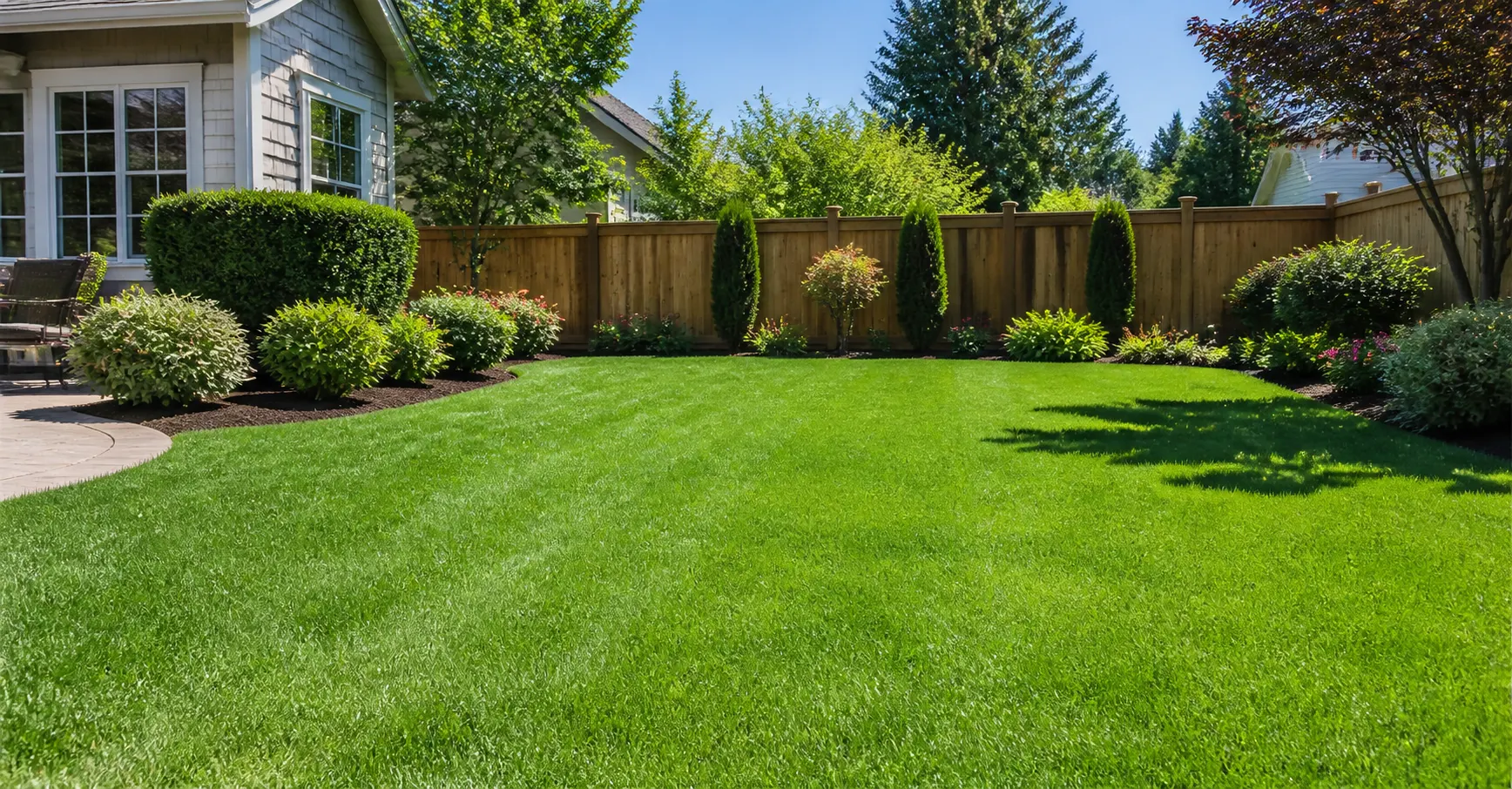
Healthy residential lawn in direct sunlight

Full-Sun Lawns

Best for: Open lawns receiving at least 6 hours of direct sunlight

Choose a grass that performs well in heat and direct sun. These varieties are commonly used for sunny front yards, backyards, and active lawn areas.

Common options

BermudaZoysiaBahiaKentucky Bluegrass in cooler regions
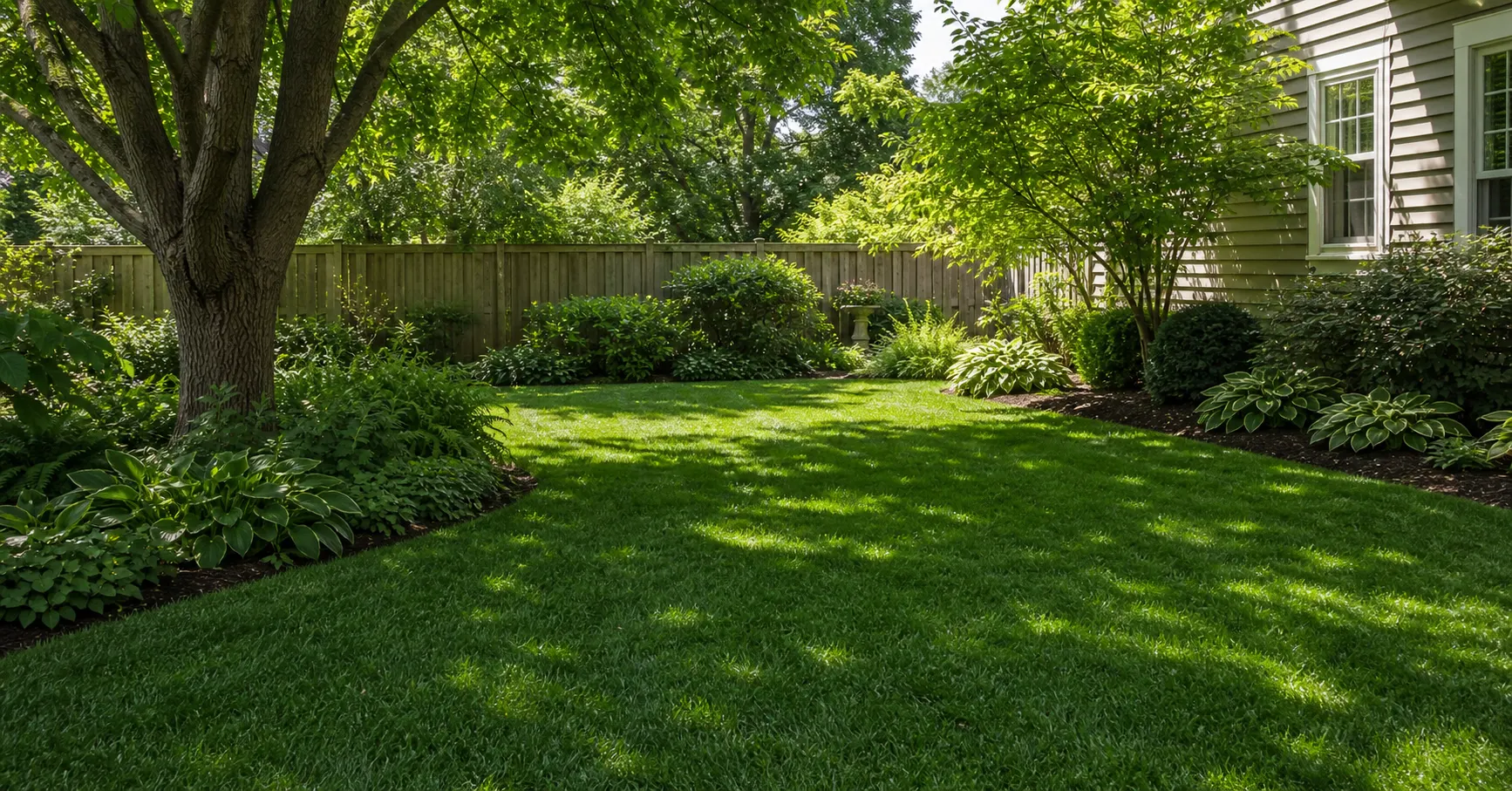
Maintained residential lawn with dappled tree shade

Shade and Partial-Shade Lawns

Best for: Lawns near trees, fences, buildings, or covered outdoor areas

Some grasses tolerate filtered light or partial shade better than others, but all natural sod still needs some sunlight.

Common options

St. AugustineTall FescueFine FescueCertain Zoysia varieties
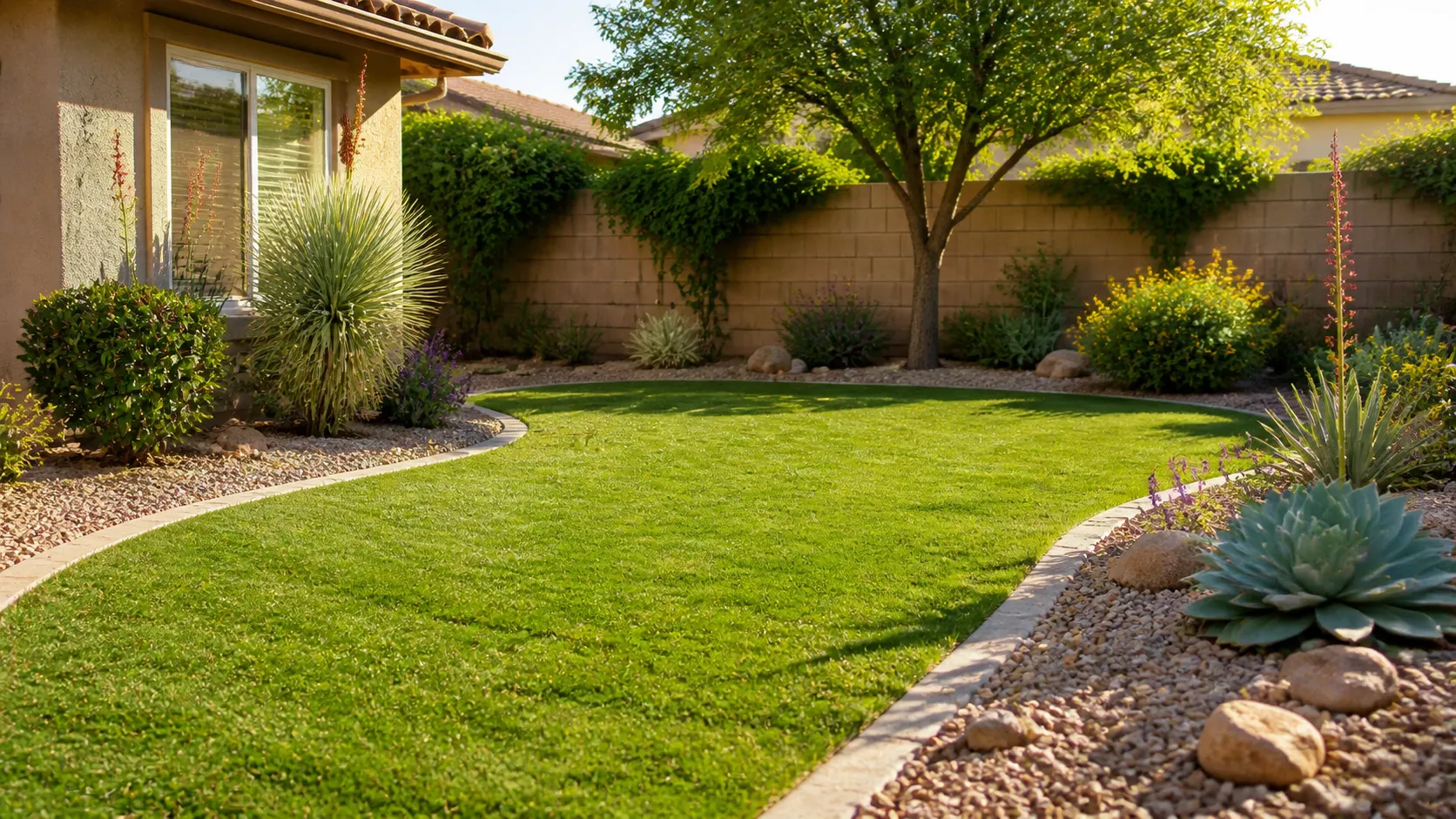
Healthy lawn in a warm dry-climate residential yard

Drought-Tolerant Lawns

Best for: Hot climates, water restrictions, and lower irrigation needs

Drought-tolerant grasses can use less water after they are established, although newly installed sod still requires frequent watering.

Common options

BermudaZoysiaBahiaBuffalo Grass
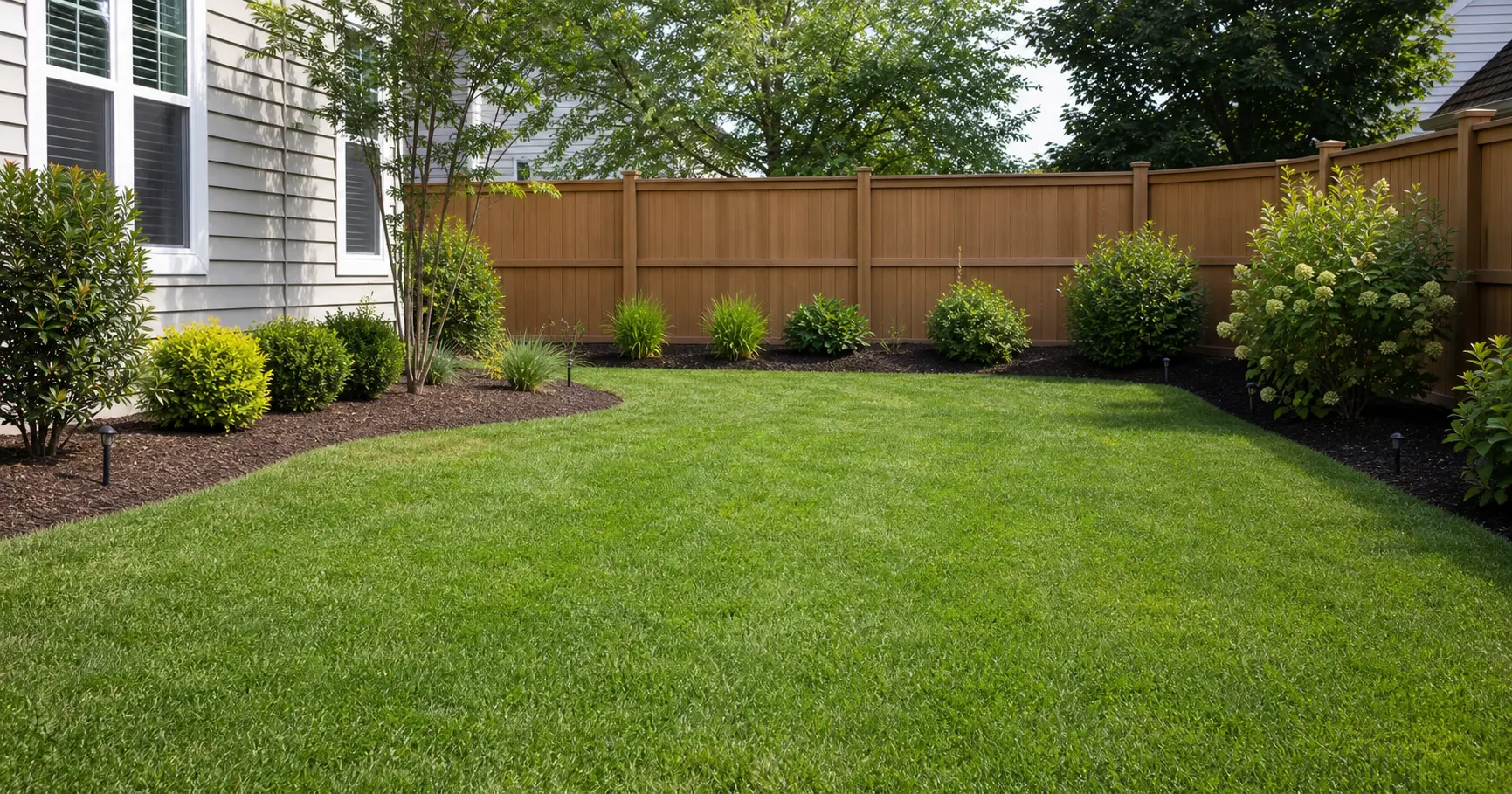
Neat simple residential lawn with clean landscaping

Low-Maintenance Lawns

Best for: Homeowners who want less mowing, watering, or fertilizing

Maintenance needs depend on climate and lawn expectations, but some varieties grow more slowly or require fewer inputs once established.

Common options

ZoysiaCentipede GrassBuffalo GrassFine Fescue in cooler regions
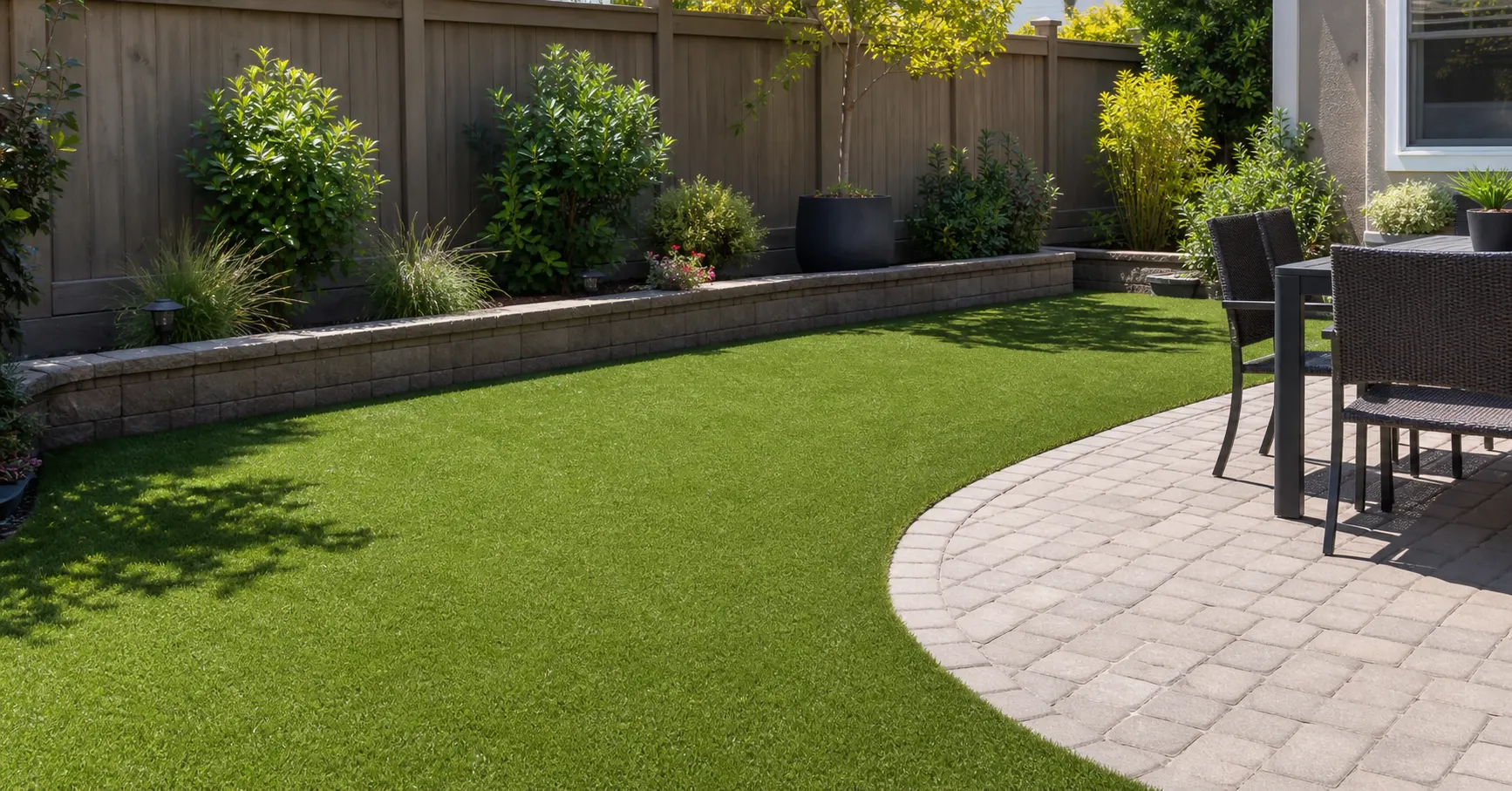
Installed artificial grass in a residential patio yard

Artificial Grass

Best for: Low-maintenance yards, pet areas, patios, pool surroundings, and difficult growing conditions

Synthetic turf stays green without mowing or routine irrigation, but installation requires base preparation, drainage, seams, edging, and infill.

Common options

Landscape turfPet-friendly turfPutting-green turfPlayground turf

Grass availability and performance vary by region. Check local extension guidance or ask a nearby sod supplier which varieties perform best in your climate.

Repairing a Small Area?

For isolated bare spots or damaged sections, individual sod pieces, grass plugs, or patch products may be more practical than ordering a full pallet. Match the existing grass variety as closely as possible.

Project Shopping Checklist

Use this list before ordering sod or printing your project summary.

Sod rolls or pallets
Topsoil or lawn soil (optional)
Starter fertilizer (optional)
Garden rake
Lawn roller (optional)
Utility knife
Measuring tape
Sprinkler or hose

Your printable project summary includes this checklist.

Quick Reference Cheat Sheets

Fast answers for sod buying, coverage, and waste choices.

Sod Buying Guide

ProjectLikely buyNote
Small patchesRollsUsually easier than pallet delivery
One open lawn areaRolls or palletCompare delivery and leftover sod
Large lawnPalletsOften simpler for 400+ sq ft
Curved edgesAdd 10-15% wasteCuts and seams use extra sod

Common Sod Coverage

UnitCoverageNote
Small roll8-10 sq ftCommon retail size
Large roll16-20 sq ftSupplier-dependent
Half pallet200-250 sq ftAsk local supplier
Full pallet400-500 sq ftCommon range; verify before buying

The formula

Add each lawn area in square feet, multiply by your waste buffer, then divide by roll or pallet coverage. The calculator rounds up to whole rolls or pallets.

Sod FAQ

Common questions homeowners ask before ordering sod.

Last updated: June 2026

1How much sod do I need?

Measure the lawn area in square feet, add a waste buffer for cuts and edges, then divide by the coverage per roll or pallet. This calculator rounds up so you do not run short.

2How much extra sod should I order?

A 5-10% waste buffer is common for simple rectangular lawns. Use 10-15% for curved edges, obstacles, slopes, or many small patch areas.

3How many square feet are in a roll of sod?

Sod roll coverage varies by supplier. Common retail rolls cover around 8-10 square feet, while larger rolls may cover 16-20 square feet or more. Check the supplier label before ordering.

4How many square feet are on a pallet of sod?

Many pallets cover about 400-500 square feet, but pallet coverage varies by grass type, roll size, and supplier. This calculator lets you compare common pallet sizes or enter a custom coverage amount.

5Should I prepare soil before laying sod?

Yes. Remove debris, loosen and grade the soil, and water lightly before installation. Good soil prep helps sod root faster and reduces low spots or dry patches.

6How soon should sod be installed after delivery?

Install sod as soon as possible, ideally the same day it arrives. Rolled sod can heat up and dry out quickly, especially in warm weather.

Related Calculators