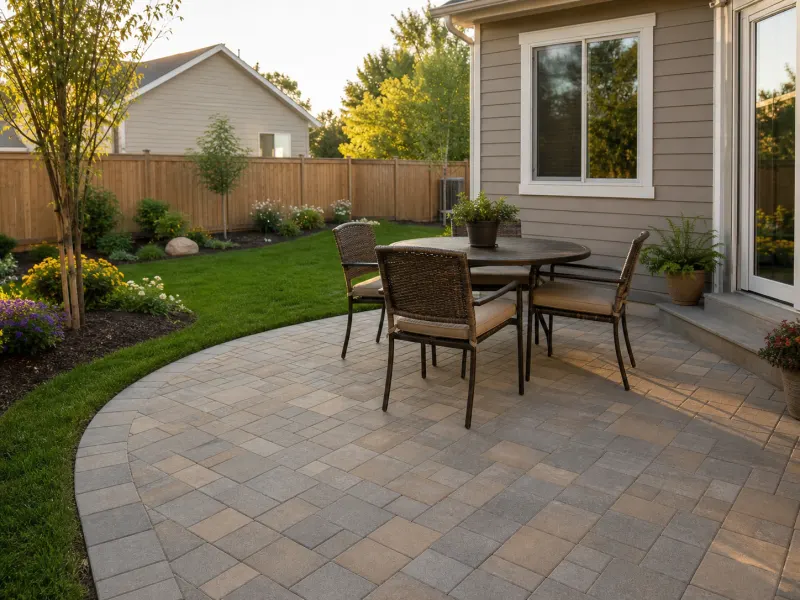
Concrete Pavers
Best all-around choice
Use for patios, walkways, and vehicle-rated driveways; styles include rectangular, interlocking, tumbled, and large-format pavers.
View Concrete Pavers
Calculators / Paver Calculator
How this calculator works
Estimate the pavers, compacted gravel base, bedding sand, joint sand, edging, and excavation required for your patio, walkway, or other DIY paver project.
Fast estimate
Use the actual face dimensions listed by the manufacturer.
Check the manufacturer or supplier listing. Pallet quantities vary by paver size and brand.
Dimension guide
Project settings
The calculator includes typical base, bedding, joint, edging, and excavation materials using the settings below. Adjust any setting to match your project.
Curves, diagonal patterns, borders, and many cuts may need a larger waste allowance.
4 inches is common for patios and walkways. Driveways or difficult site conditions may require 6–12 inches.
Calculated perimeter: 0 linear ft
A typical paver installation includes these materials. Uncheck anything you already have or do not plan to use.
These are common planning defaults, not universal construction requirements. Base depth and installation materials may vary by soil, climate, drainage, load, and local guidance.
Optional
These defaults work for typical estimates. Change them only when your supplier provides different product specifications.
Optional
Add local prices to calculate an estimated material total.
Paver guide
The best paver depends on where it will be installed, the look you want, your budget, and how much weight the surface must support. Compare the most common options below before choosing your material.
Best all-around choice
Use for patios, walkways, and vehicle-rated driveways; styles include rectangular, interlocking, tumbled, and large-format pavers.
View Concrete Pavers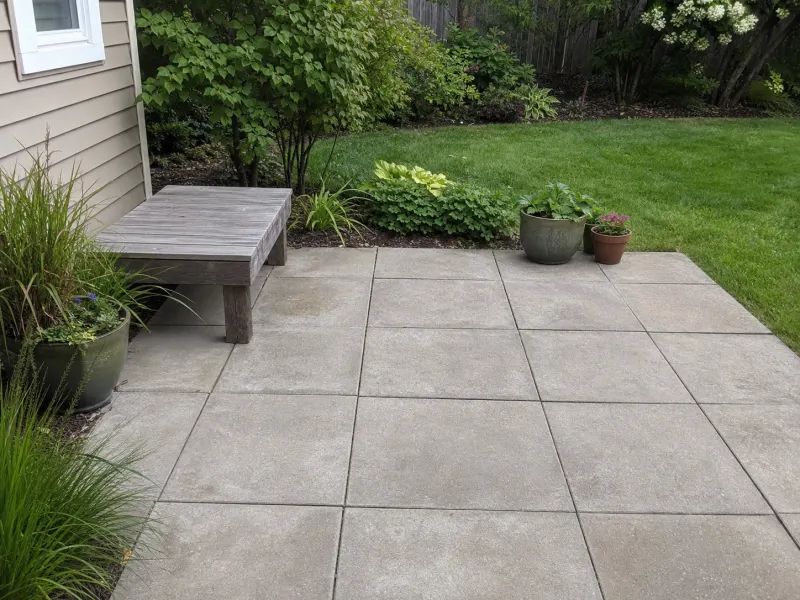
Best for simple DIY patios
Use large 12 × 12 through 24 × 24 slabs for simple patios, stepping-stone paths, and other pedestrian areas.
View Patio Stones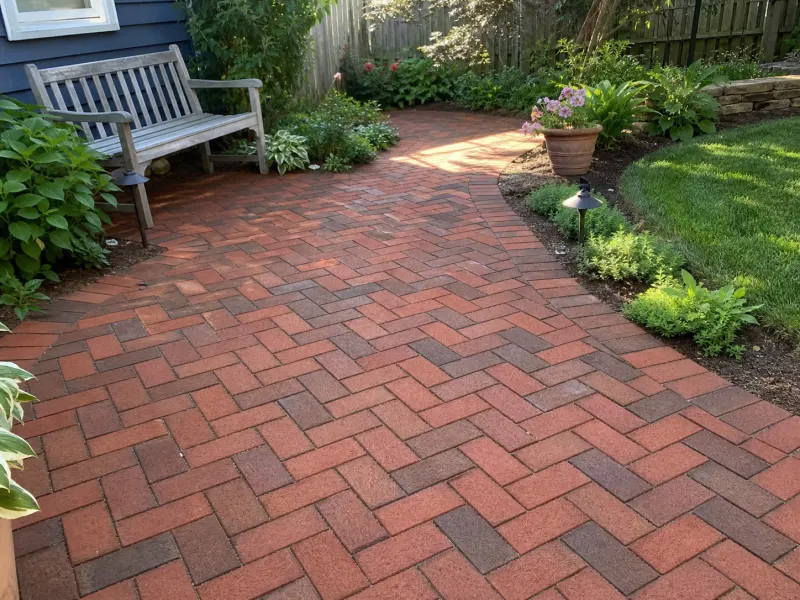
Best for a traditional look
Use red, traditional, or tumbled clay pavers for patios, walkways, borders, and patterns such as herringbone.
View Brick Pavers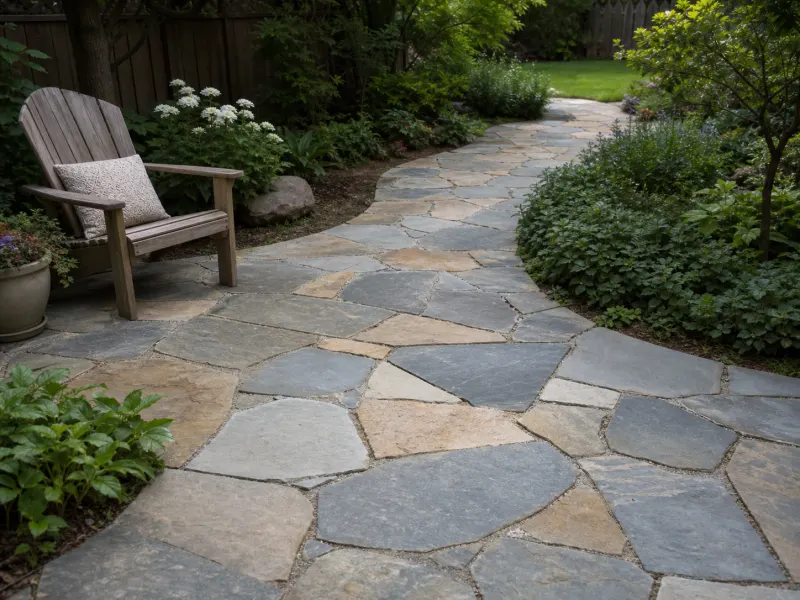
Best for premium landscapes
Use flagstone, bluestone, limestone, or sandstone for premium patios and garden paths with natural variation.
View Natural Stone Pavers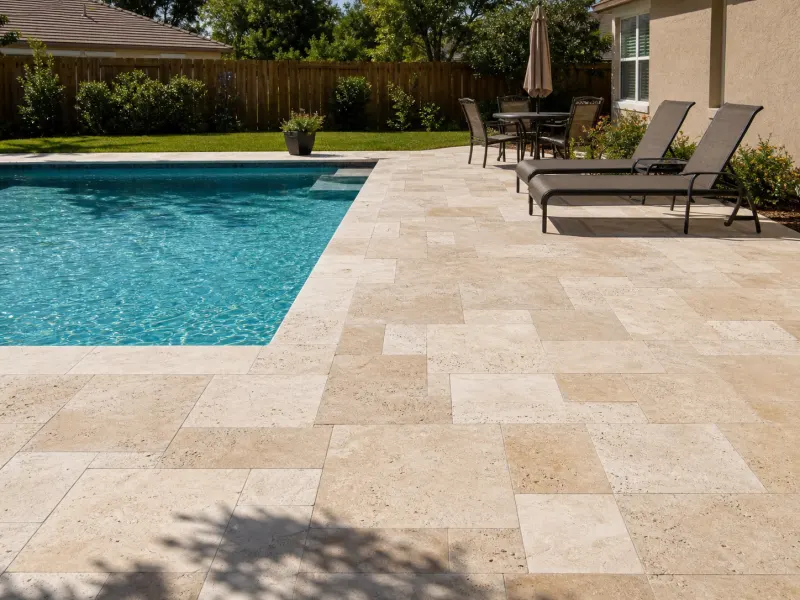
Best for pool decks
Use tumbled or textured travertine around suitable pool decks and patios. Check slip rating, heat, water absorption, and freeze-thaw suitability.
View Travertine Pavers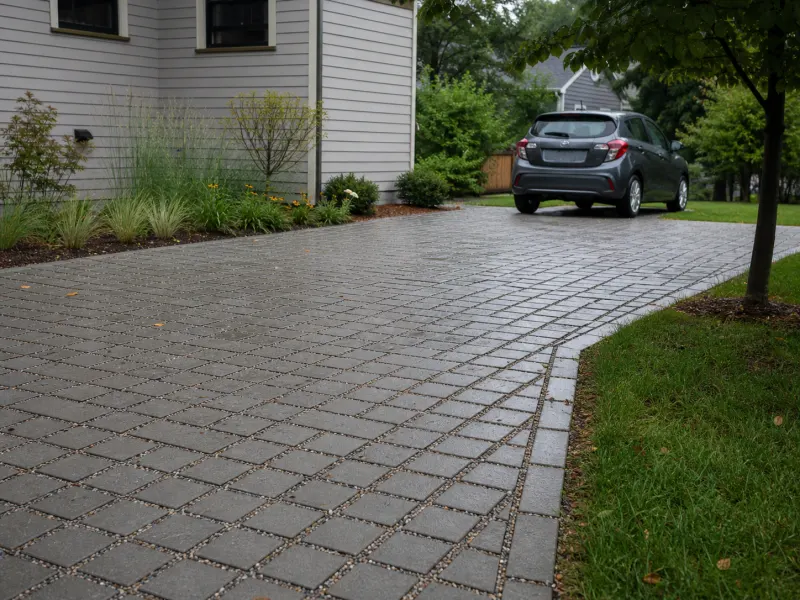
Best for drainage-conscious projects
Permeable concrete pavers, grass grids, and gravel grids help reduce runoff in suitable driveways and drainage-sensitive areas.
View Permeable Pavers| Paver type | Best for | Typical cost level | Installation difficulty |
|---|---|---|---|
| Concrete | Most patios, walkways, and some driveways | $–$$ | Moderate |
| Patio stones | Simple patios and garden paths | $–$$ | Easy–moderate |
| Brick or clay | Traditional patios, paths, and borders | $$–$$$ | Moderate |
| Natural stone | Premium patios and garden paths | $$$ | Moderate–hard |
| Travertine | Pool decks and premium patios | $$–$$$ | Moderate–hard |
| Permeable | Drainage-sensitive areas and suitable driveways | $$–$$$ | Moderate–hard |
Confirm that the selected paver is rated for the intended application, especially for driveways and vehicle loads.
Installation guide
Many pedestrian patios use about 4 inches of compacted base, but soil, drainage, climate, and loads may require more.
Use a thin, consistent bedding-sand layer over the compacted base.
Fill joints with a product suitable for your paver and installation.
Slope the finished surface away from buildings and plan drainage before excavation.
Use this list to plan materials and basic installation tools before pickup or delivery.
Your printable project summary includes this checklist.
Practical answers for estimating and preparing a residential paver project.
Last updated: July 2026
Divide the patio area by one paver's surface area, then add a waste allowance and round up. This calculator handles those conversions automatically.
| Area 1 | Rectangle · 0 sq ft · 0 ft perimeter · 0 × 0 in · 0 pavers |
|---|
| Base gravel | 0 cu yd loose · 0 tons |
|---|---|
| Bedding sand | 0 cu yd · 0 bags |
| Polymeric sand | 0 bags · approximately 0 lb |
| Edging | 0 pieces · 0 spikes |
| Excavation | 7.375 in deep · 0 cu yd in-place soil |