Refreshing a Flower Bed
Use the mulch calculator for coverage and depth, and the topsoil calculator when planting areas need filling, leveling, or soil refresh.
Plan your project
Find the right calculator for your landscaping or outdoor project. Estimate mulch, gravel, topsoil, sod, raised bed soil, pavers, base materials, and more before you shop.
Use these project examples to find the calculators that may help with each part of the job.
Use the mulch calculator for coverage and depth, and the topsoil calculator when planting areas need filling, leveling, or soil refresh.
Estimate pavers, compacted base gravel, bedding sand, joint sand, edging, excavation depth, and the extra material needed for cuts or layout changes.
Plan gravel depth, cubic yards, tons, compaction, waste, and delivery needs for paths, driveways, beds, and drainage areas.
Use sod estimates for lawn coverage, rolls, and pallets, then check topsoil needs for leveling, low spots, or repair areas before installation.
Estimate soil volume, bag counts, bulk yards, fill reduction, settling buffer, and cost before filling new or existing raised beds.
Estimate topsoil for low spots, lawn leveling, planting beds, filling, and small grade improvements around the yard.
Use these when you already know the material or project type you are buying for.
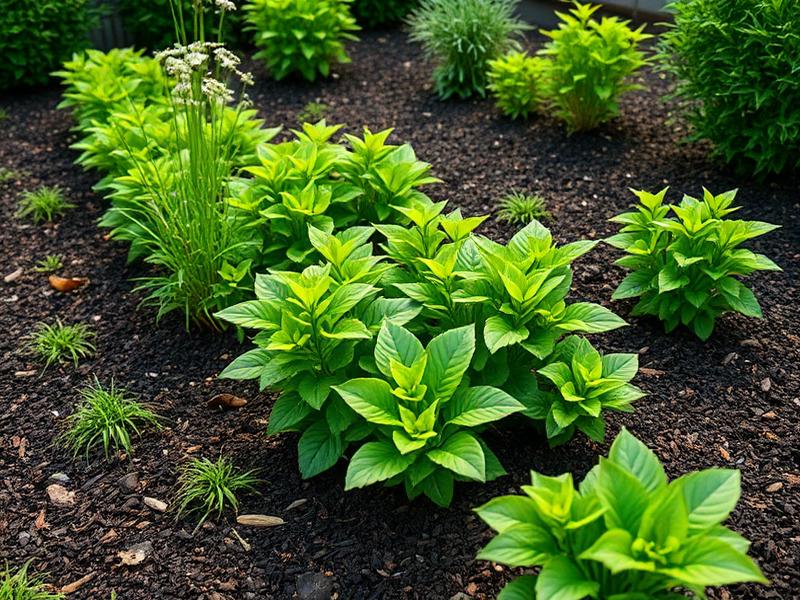
Plan mulch coverage for beds, borders, and tree rings with depth, bag size, bulk yard, waste, and cost options.
Calculate Now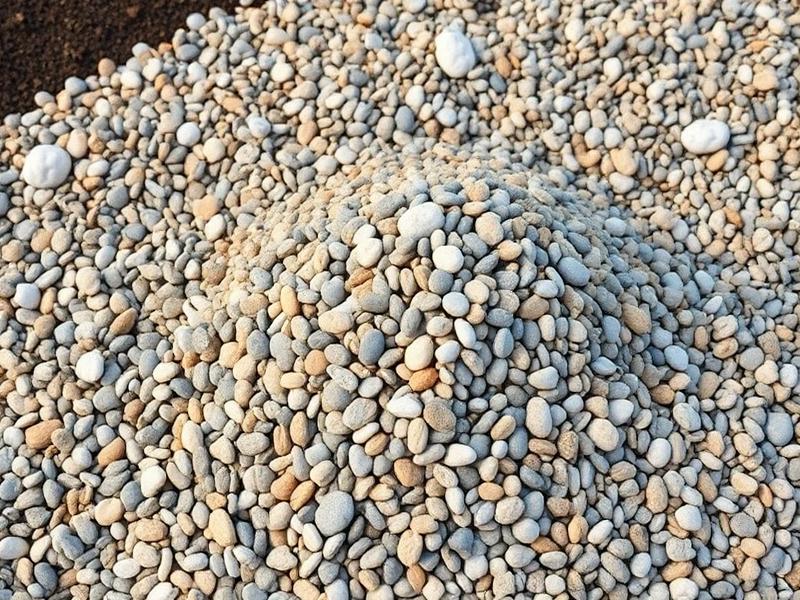
Convert path, driveway, bed, or drainage measurements into gravel yards, tons, compaction, waste, and shopping totals.
Calculate Now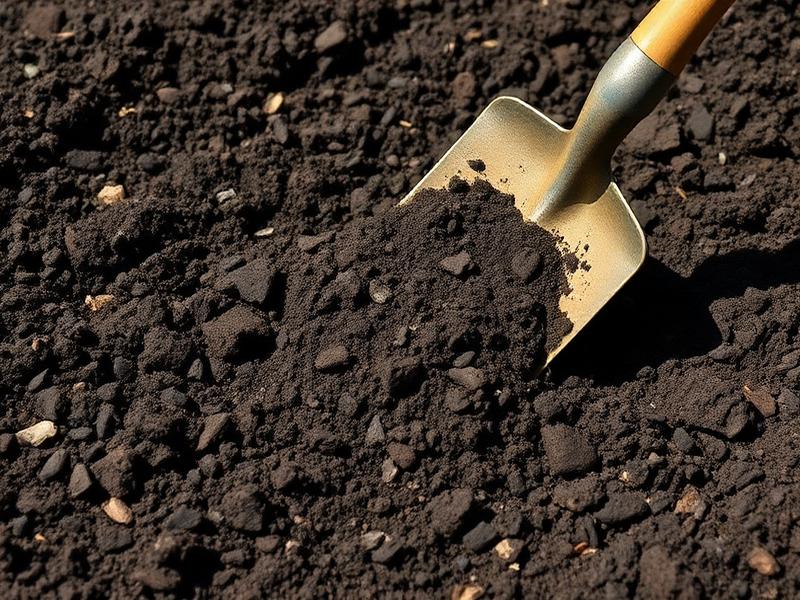
Work out topsoil amounts for lawns, low spots, planting beds, and fill areas using bag, bulk, settling, and cost settings.
Calculate Now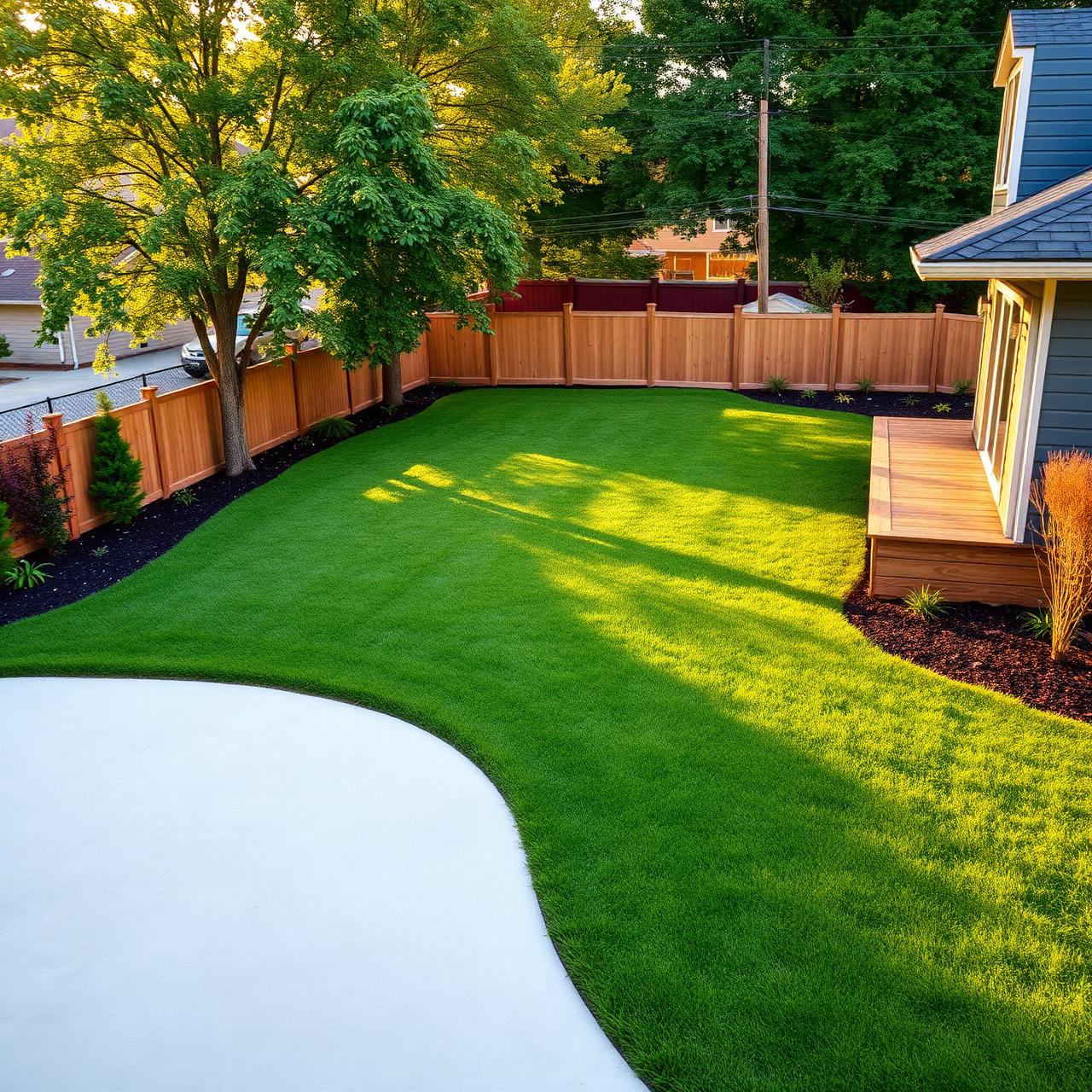
Estimate lawn square footage, rolls, pallets, overage, and optional pricing before ordering sod for repair or installation.
Calculate Now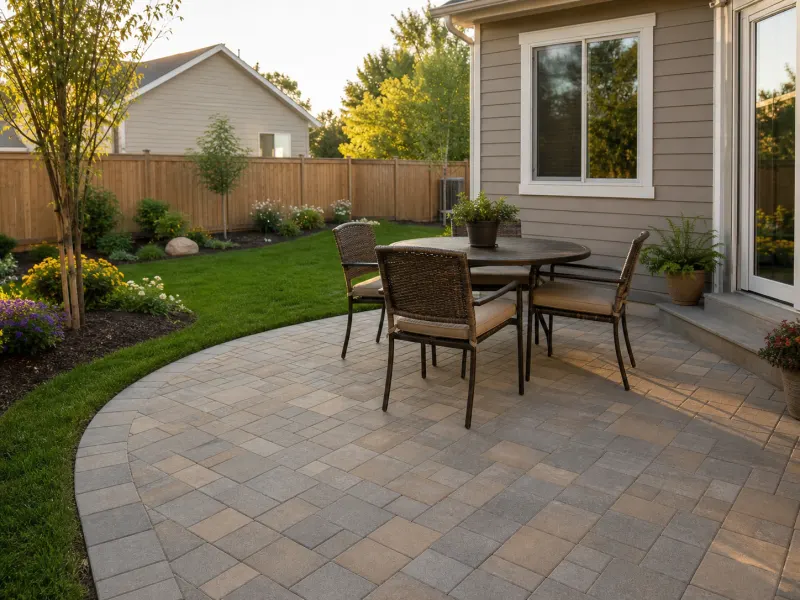
Plan patio or walkway materials including paver count, base gravel, sand, edging, excavation, waste, and project cost.
Calculate Now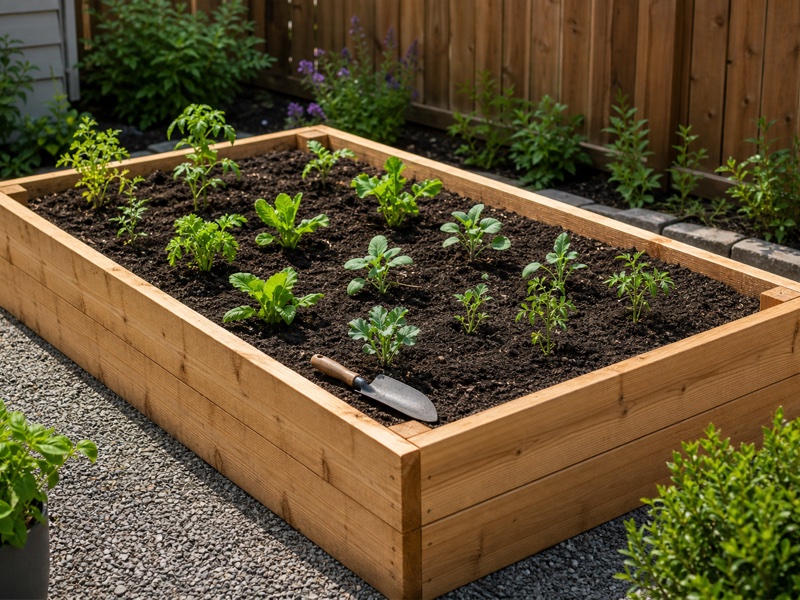
Calculate raised bed soil volume and compare bags versus bulk yards with fill reduction, settling, and cost guidance.
Calculate NowBuying reference
Use the yard material coverage guide to compare cubic-yard coverage, bag equivalents, bags versus bulk, hauling limits, and which calculator to use next.
Open the Yard Material Coverage & Buying GuideMost yard materials depend on depth too. Mulch, gravel, soil, and paver base all require a depth input to estimate the right amount.
Mulch settles, topsoil can compact, gravel needs compaction, and paver projects often need extra material for cuts, edges, and uneven areas.
Small projects may be easier with bags, but larger areas often become cheaper by the cubic yard, ton, or pallet.
Use the calculator that matches the job type, material, and buying unit you need to estimate.
Slope, drainage, soil type, access, edging, and local conditions can change how much material you need and how the project should be installed.
Start with the calculator that matches the material you already know you need. If you are still planning the project, use the project groups above to choose between mulch, gravel, topsoil, sod, raised bed soil, or paver estimates.
They are planning estimates based on your measurements and settings. Accuracy depends on measuring carefully, choosing a realistic depth, and allowing for project conditions like uneven ground, curves, compaction, or settling.
Bags are often easier for smaller jobs, tight access, and simple pickup. Bulk material can make more sense for larger projects when delivery cost and storage space work for your yard.
Many DIY projects benefit from a small waste buffer. Curved areas, odd shapes, uneven depth, compaction, settling, cuts, and spreading loss can all increase the amount you need.
These calculators are built for homeowner planning and shopping guidance. Contractors can use them as a quick planning check, but final professional quotes should account for site inspection, labor, equipment, access, and local supplier specs.
Material rarely installs perfectly to the exact calculated amount. Waste and settling buffers help account for cuts, irregular spaces, compaction, loose material loss, and soil settling after watering or traffic.