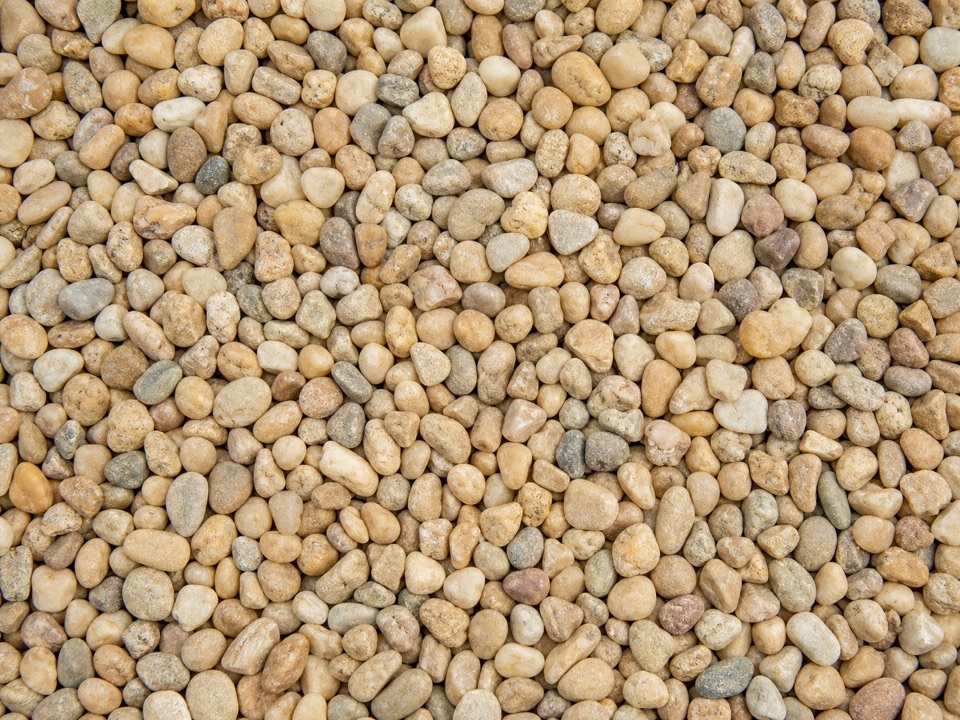
Pea gravel
Best for: Walkways and patios
Rounded small stones that are comfortable underfoot and useful for decorative paths.

Calculators / Gravel Calculator
How this calculator works
Use this gravel calculator to estimate how many bags or cubic yards of gravel you need for driveways, paths, patios, drainage projects, and landscape beds.
Fast estimate
2-3" paths, 3-4" patios, 4-6" driveway base.
Dimension guide
Adds extra gravel for uneven grade, spreading loss, edges, and ordering cushion.
Adds material for compacted base layers and settling. Leave blank or choose 0% for loose decorative gravel.
Delivery can apply to both bagged and bulk orders. Enter local prices to compare total cost.
Compare common gravel types before you buy. Product recommendations may be added later.
Best for: Walkways and patios
Rounded small stones that are comfortable underfoot and useful for decorative paths.
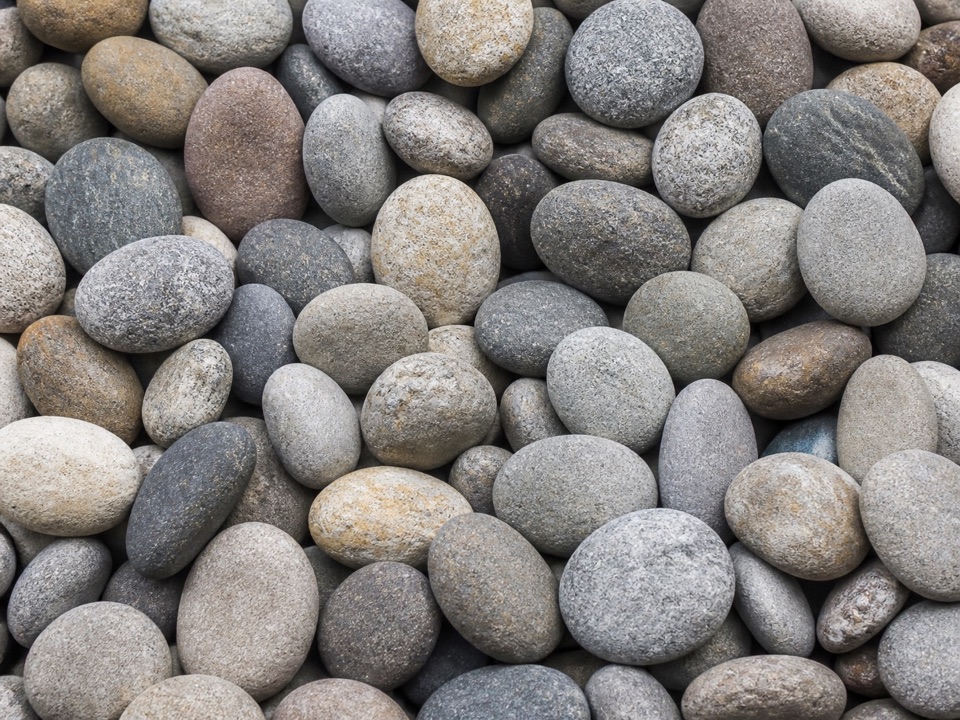
Best for: Drainage and dry creek beds
Smooth mixed-size stones often used where water movement and appearance both matter.
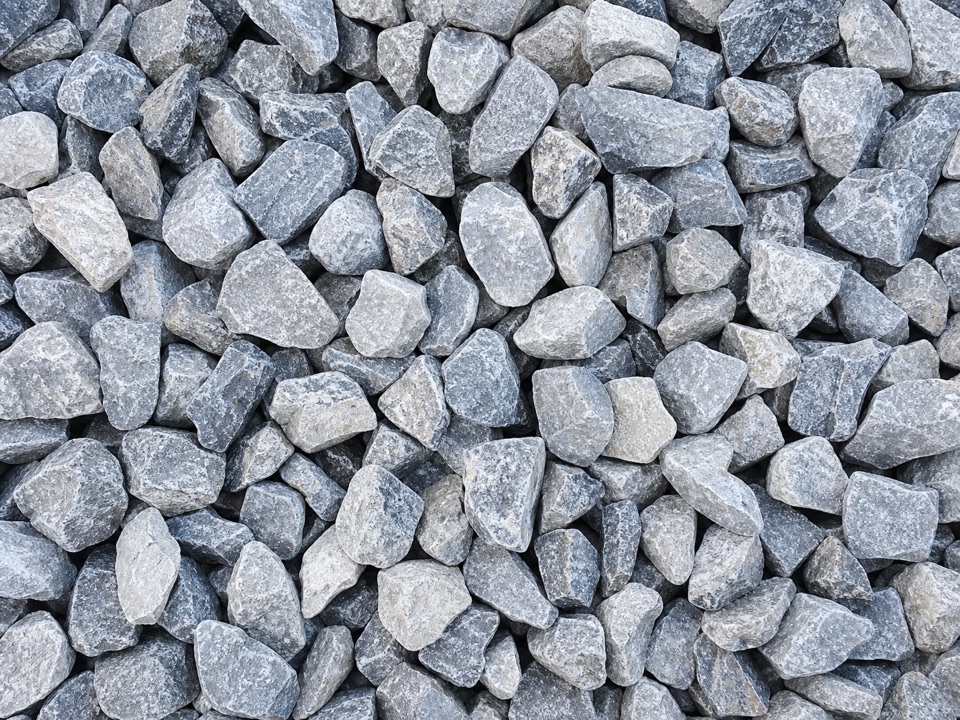
Best for: Driveways and drainage
Angular stone that drains well and locks together better than rounded gravel.
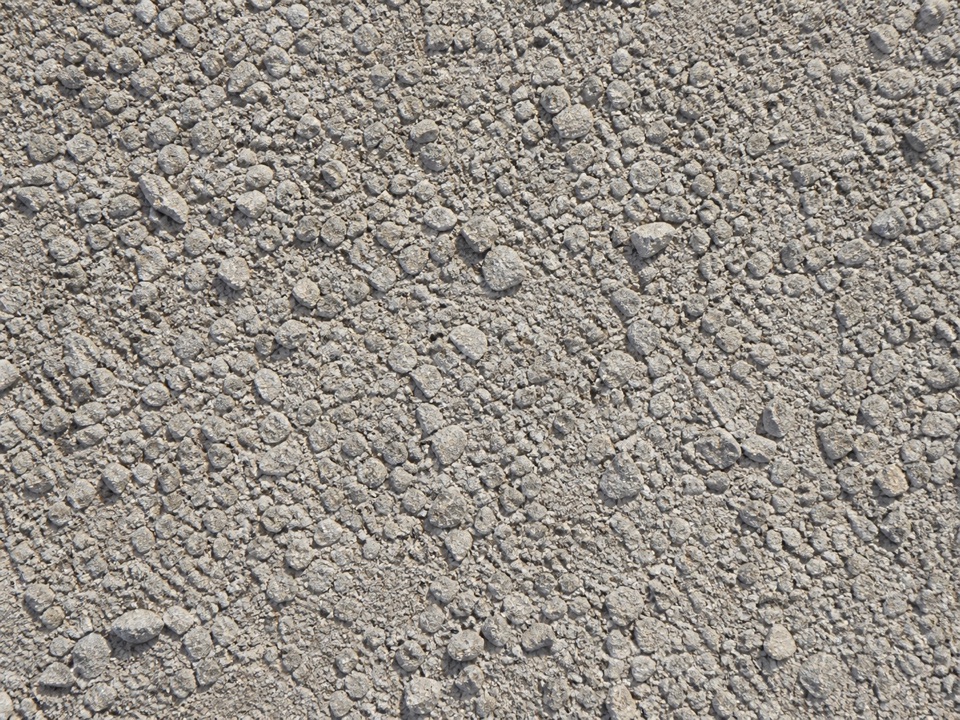
Best for: Compacted base
A mix of stone and fines commonly used for paver base and driveway base layers.
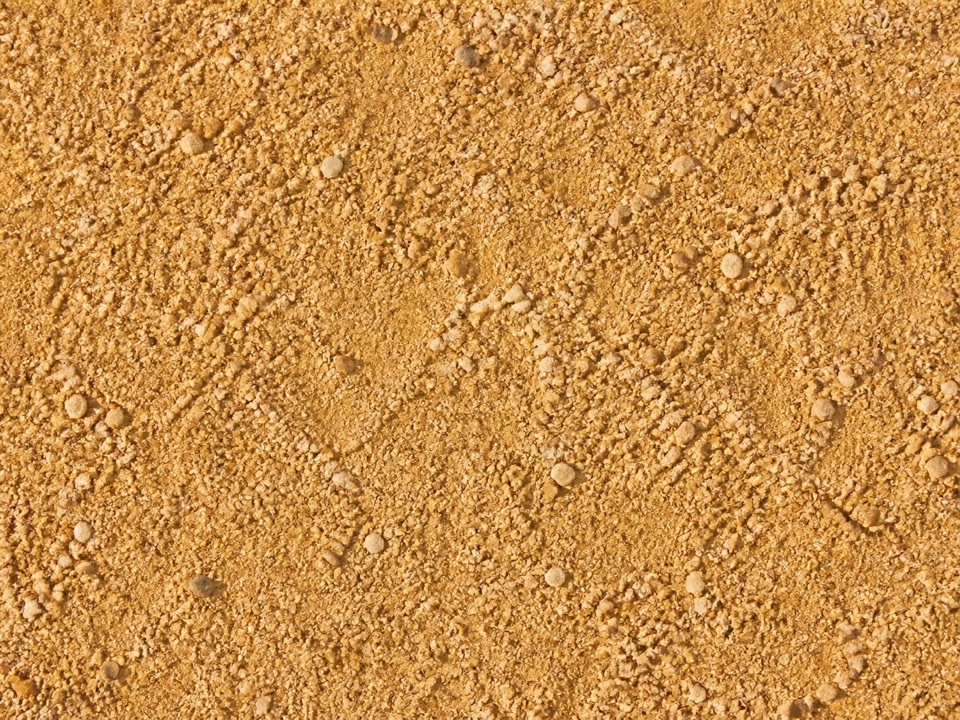
Best for: Paths and patios
Fine granite material that can create a compacted natural-looking surface.
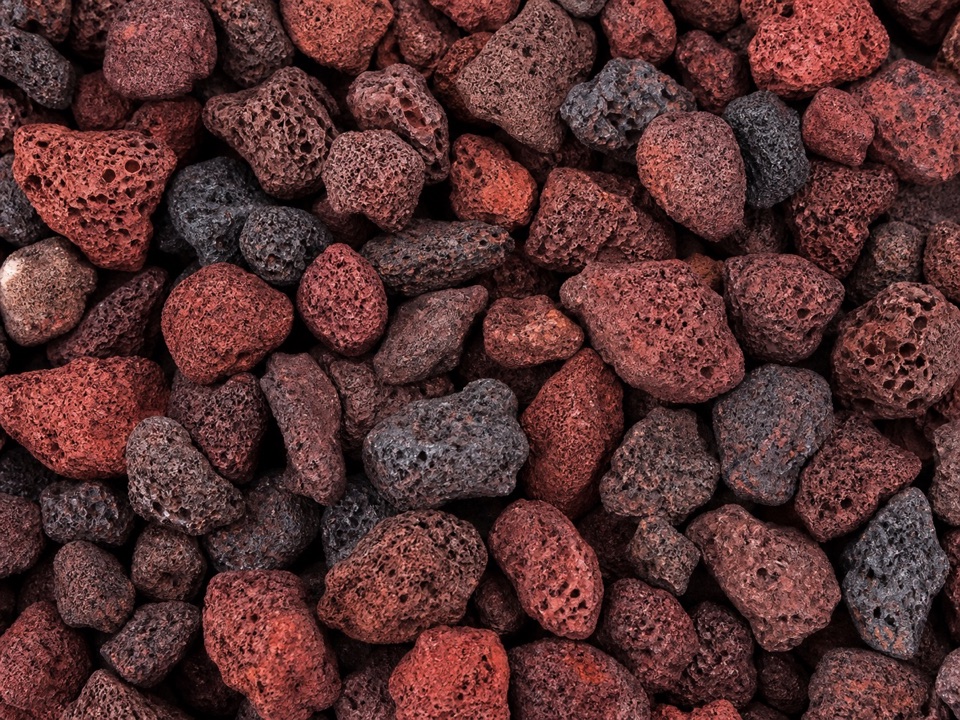
Best for: Lightweight decorative beds
Porous decorative rock often used in xeriscaping and low-water landscape beds.
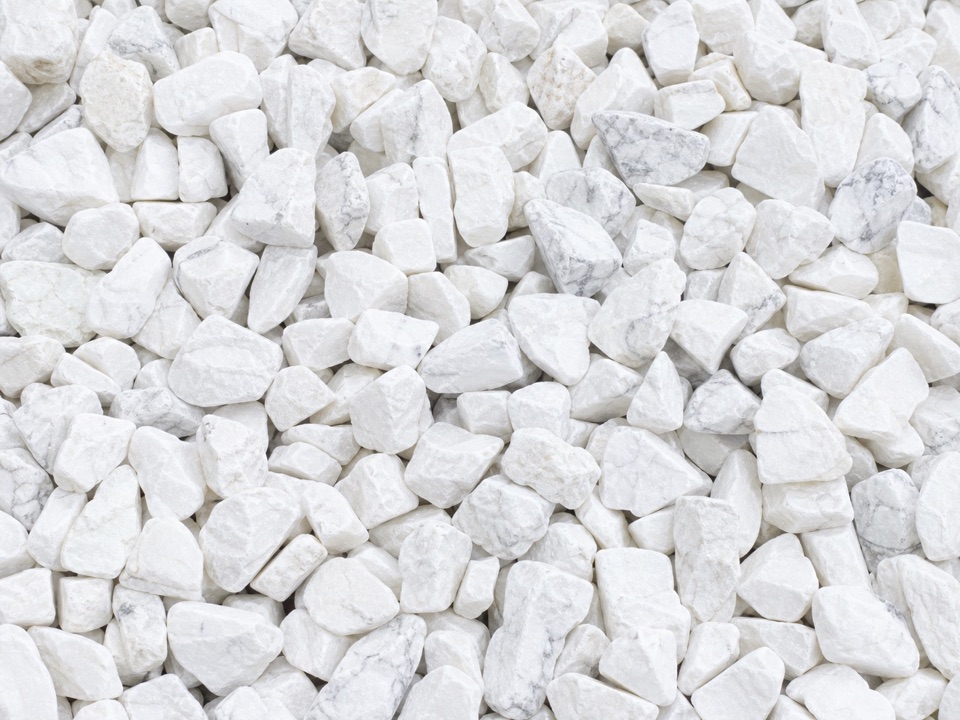
Best for: Decorative borders
Bright decorative stone used where contrast and appearance are priorities.
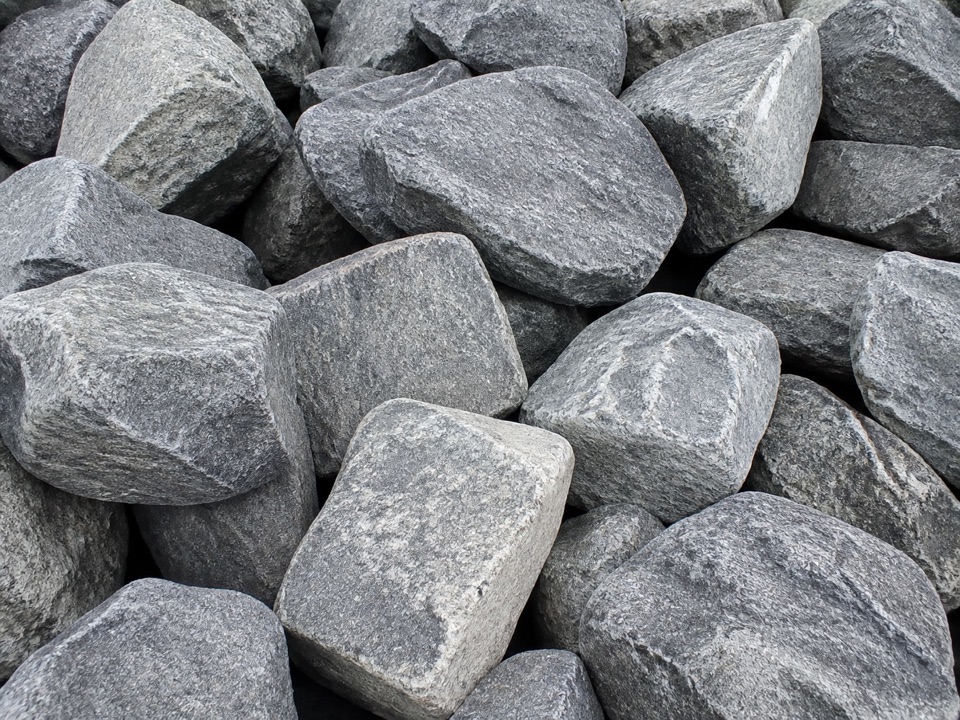
Best for: Erosion control
Large rock used for slopes, outlets, shorelines, and heavy drainage protection.
Use this list before visiting the store or printing your project summary.
Your printable project summary includes this checklist.
Fast answers for gravel depth, coverage, and common buying conversions.
| Project type | Suggested depth | Note |
|---|---|---|
| Walkways | 2-3 in | Use a stable base for frequent foot traffic |
| Decorative beds | 2-3 in | Landscape fabric can help reduce mixing with soil |
| Patios | 3-4 in | Base prep matters more than surface stone alone |
| Driveway top layer | 2-3 in | Angular stone usually performs better than rounded gravel |
| Driveway base layer | 4-6 in | Compact in lifts for a stronger base |
| Drainage / French drain | Varies | Match depth to pipe, trench, and drainage design |
| Amount | Covers at 2 in | Covers at 3 in | Covers at 4 in |
|---|---|---|---|
| 0.5 cu yd | ~81 sq ft | ~54 sq ft | ~40 sq ft |
| 1 cu yd | ~162 sq ft | ~108 sq ft | ~81 sq ft |
| 2 cu yd | ~324 sq ft | ~216 sq ft | ~162 sq ft |
Coverage is approximate. Round up for uneven areas, compaction, and spreading loss.
| Gravel type | Best for |
|---|---|
| Pea gravel | Walkways and patios |
| River rock | Drainage and dry creek beds |
| Crushed stone #57 | Driveways and drainage |
| Crushed stone #411 | Compacted base |
| Dense graded aggregate / DGA | High-compaction base |
| Bank-run gravel | Fill and road base |
| Decomposed granite | Paths and patios |
| Lava rock | Lightweight decorative beds |
| Marble chips | Decorative borders |
| Riprap | Erosion control |
| Fine gravel | Leveling and paths |
| Medium gravel | General projects |
| Coarse gravel | Drainage and driveways |
| Extra coarse gravel | Heavy drainage |
The basic math is area x depth = cubic feet. Divide cubic feet by 27 to get cubic yards. The calculator converts depth from inches to feet, totals the cubic feet, divides by 27 to get cubic yards, adds your waste and compaction adjustments, then converts the adjusted volume into bags based on the bag size you choose.
Gravel supports drainage, stable paths and driveways, erosion control, decorative landscaping, and compacted base layers. Choosing the right type, depth, and compaction approach helps the project perform after the material is spread.
Common questions homeowners ask before buying gravel.
Last updated: May 30, 2026
Most decorative beds and walkways use about 2-3 inches of gravel. Patios and driveway surface layers often use 3-4 inches, while base layers may need 4-6 inches or more depending on soil, traffic, and compaction.
| Area | Shape | Dimensions | Depth | Sq ft |
|---|---|---|---|---|
| Area 1 | Rectangle | 0 ft x 0 ft | 0 in | 0 sq ft |