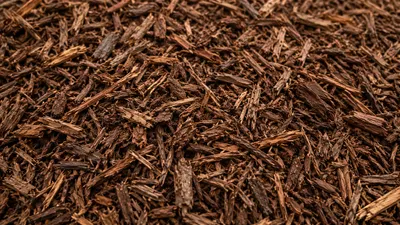
Hardwood mulch
Best for: General flower beds
Natural wood chips that break down and enrich soil.

Calculators / Mulch Calculator
How this calculator works
Use this mulch calculator to estimate how many bags or cubic yards of mulch you need for flower beds, tree rings, paths, and other yard areas. Enter your bed size and mulch depth, then get a rounded shopping amount with an optional waste buffer.
Fast estimate
1-2" refresh, 2-3" new beds, 3" weed suppression.
Dimension guide
Adds extra mulch to account for settling, uneven ground, and spillage.
Compare other bag sizes in results.
Delivery can apply to both bagged and bulk orders. Enter local prices to compare total cost.
Compare common mulch types before you buy. Product recommendations may be added later.
Best for: General flower beds
Natural wood chips that break down and enrich soil.
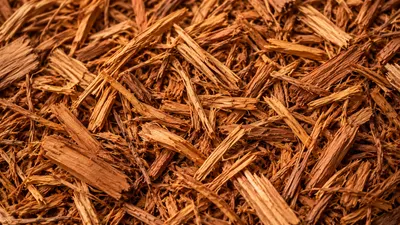
Best for: Decorative beds
Naturally aromatic and often used around ornamental beds.
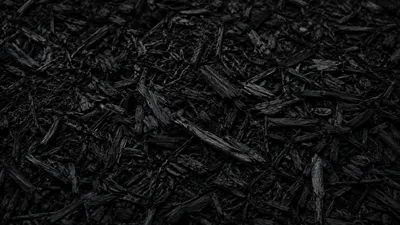
Best for: Strong plant contrast
Bold color contrast; check product quality and dye source.
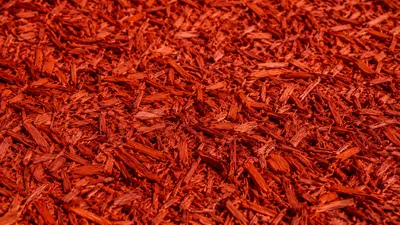
Best for: Warm-toned beds
Warm color that may fade over time.
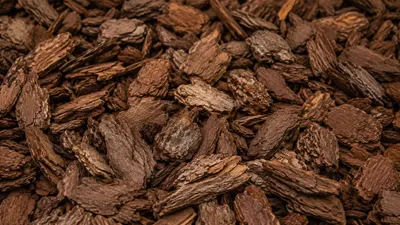
Best for: Trees and acid-loving plants
Chunky texture; lighter pieces may move in heavy rain.
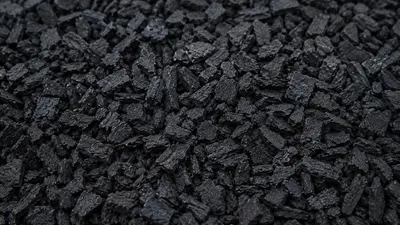
Best for: Some play areas
Not ideal for planting beds or soil health.
Use this list before visiting the store or printing your project summary.
Your printable project summary includes this checklist.
Fast answers for mulch depth, bag coverage, and common buying conversions.
| Project type | Suggested depth | Note |
|---|---|---|
| Refresh existing bed | 0.5-2 in | Use less if old mulch is still present |
| New flower or shrub bed | 2-3 in | Keep mulch away from stems |
| Around trees | 2-3 in | Leave a gap around the trunk |
| Weed suppression | Around 3 in | Too much can suffocate roots |
| Paths or walkways | 3-4 in | Use a chunkier material |
| Sloped beds | 3-4 in | Choose mulch that resists wash-off |
| Containers | 1-2 in | Helps reduce splashing and drying |
| Bag size | Covers at 2 in | Covers at 3 in |
|---|---|---|
| 1 cu ft | ~6 sq ft | ~4 sq ft |
| 1.5 cu ft | ~9 sq ft | ~6 sq ft |
| 2 cu ft | ~12 sq ft | ~8 sq ft |
| 3 cu ft | ~18 sq ft | ~12 sq ft |
Coverage is approximate. Round up for uneven beds, slopes, settling, and spillage.
The basic math is area x depth = volume. The calculator converts depth from inches to feet, totals the cubic feet, divides by 27 to get cubic yards, adds your waste buffer, then converts the adjusted volume into bags based on the bag size you choose.
For each area: square feet × (depth in inches ÷ 12) = cubic feet. Add the areas, multiply by 1 + buffer ÷ 100, and divide by 27 for cubic yards. For example, 100 sq ft at 3 inches is 25 cu ft; with a 10% buffer, it is 27.5 cu ft, requiring 14 two-cu-ft bags.
Bags round up to whole bags. Bulk estimates round up to a quarter yard up to 1 yard, then to whole yards above 1 yard. Supplier increments and minimums may differ. Cost totals use these rounded quantities and the delivery fees you enter; taxes and other charges are not added automatically.
Depth guidance is general, not a measurement of existing mulch. For plant-care guidance, see University of Maryland Extension: Mulching Trees and Shrubs. The calculator’s purchase-rounding rules are our planning assumptions, not supplier quotes.
Mulch does more than make beds look finished. It can help reduce weeds, hold soil moisture, moderate soil temperature, protect roots, and make garden beds look cleaner.
Common questions homeowners ask before buying mulch.
Last updated: September 2026
For most garden beds, 2 inches is a common refresh depth. New flower and shrub beds often use 2-3 inches. Around 3 inches can help with weed suppression, but too much mulch can suffocate roots and trap moisture.